Archive
Physical Retail FF&E
-
Even AI Needs a Second Set of Eyes: How Ephany Uses Agentic AI to Double-Check Data
Artificial intelligence might seem like magic, but even magic needs rules. One of the biggest misconceptions about AI is that it always gets things right. In reality, AI is only as useful as the data it works with. And when you’re managing complex asset catalogs across thousands of projects, bad data can snowball into real-world…
-
Common Issues with Retail FF&E and How to Mitigate Them – Part One
Building out physical retail stores is a high-stakes game—one where a single misstep can cost thousands (or even millions). Have you ever had a store opening delayed because the wrong fixtures arrived? Or watched in horror as a brand-new display case was installed upside down? You’re not alone. Mistakes in procurement, installation, and project management…

-
McDonaldization and Construction: How Owner-Furnished Items Unlock Scalability
McDonaldization describes how industries optimize for efficiency, predictability, uniformity, and control. This principle doesn’t just apply to burgers, it’s the secret sauce behind how companies like Walmart, Dollar General, and Wegmans scale their physical stores to thousands of locations worldwide.

-
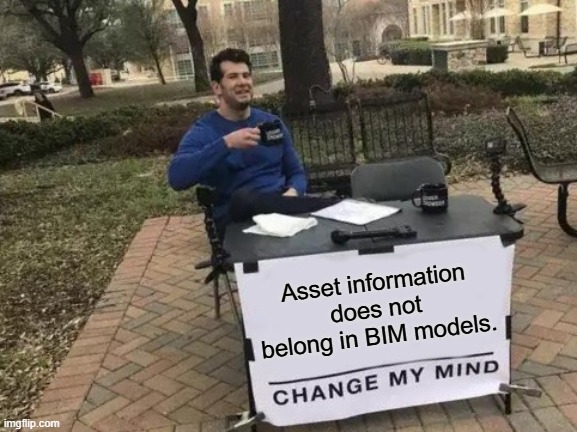
Asset information does not belong in BIM. Change my mind.
I believe BIM is experiencing some growing pains, as with any new technology would. I’m starting to see that there is too much data in models, particularly regarding assets such as the furniture, fixtures, and equipment (FF&E). I do agree that any data that is required for design and construction processes need to be included…
-
Managing FF&E asset data for repeatable designs sounds easy, but it’s not.
Managing furniture, fixtures, and equipment (FF&E) across a fleet of stores is a complex challenge for physical retail organizations. Surprisingly, some of the largest retail brands in the world are managing those assets in Excel spreadsheets (or other similar format). If that statement resonated with you, the below image probably looks all too familiar.