Archive
Commercial Real Estate
-
Web-based Merchandise Planning: Introducing Capacity Planner by Triple Zero Labs
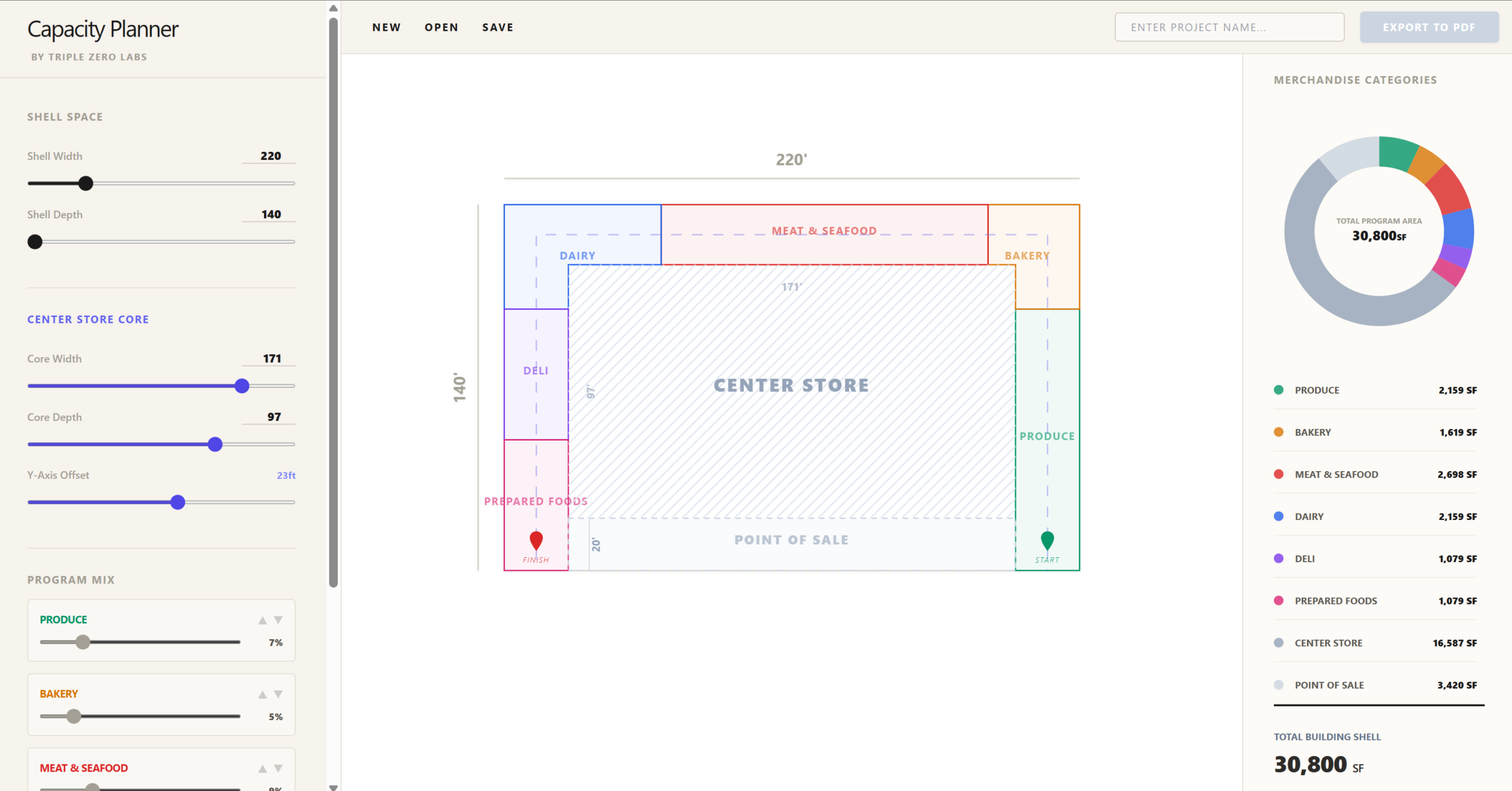
Capacity Planner is a conceptual design tool built for merchandising workflows. It seeks to help with site feasibility studies, macro planning, and everything in between. Starting with a building shell, users are able to generate a floor plan with department capacity and merchandise categories as the main focus.
-
Ephany is Now Open Source
Today, we’re excited to introduce Ephany Framework, an open-source platform for managing assets, their metadata, and their relationships to projects. This is the backbone of the entire Ephany ecosystem: the data structure, the REST API, and the relational logic that ties it all together.

-
Common Construction-Phase Issues in Retail FF&E (and How to Mitigate Them) – Part Two
Cost Overruns Budget overruns are a pervasive issue in construction, and retail store projects are no exception. Changes, delays, and misestimates during construction all compound to drive final costs above what was planned. Industry surveys consistently show a majority of projects go over budget. For example, one survey of real estate construction owners found 75%…

-
Even AI Needs a Second Set of Eyes: How Ephany Uses Agentic AI to Double-Check Data
Artificial intelligence might seem like magic, but even magic needs rules. One of the biggest misconceptions about AI is that it always gets things right. In reality, AI is only as useful as the data it works with. And when you’re managing complex asset catalogs across thousands of projects, bad data can snowball into real-world…

-
The State of Physical Retail in the US (2022–2025): Big-Box and Grocery Chains
Despite the rise of e-commerce, physical retail in the U.S. is proving far more resilient than many expected — especially in the big-box and grocery sectors. Over the past three years, retailers like Walmart, Target, Costco, and Aldi have not only maintained but strategically expanded their physical footprints. While 2022 and 2023 saw more store…
-
Common Issues with Retail FF&E and How to Mitigate Them – Part One
Building out physical retail stores is a high-stakes game—one where a single misstep can cost thousands (or even millions). Have you ever had a store opening delayed because the wrong fixtures arrived? Or watched in horror as a brand-new display case was installed upside down? You’re not alone. Mistakes in procurement, installation, and project management…
-
McDonaldization and Construction: How Owner-Furnished Items Unlock Scalability
McDonaldization describes how industries optimize for efficiency, predictability, uniformity, and control. This principle doesn’t just apply to burgers, it’s the secret sauce behind how companies like Walmart, Dollar General, and Wegmans scale their physical stores to thousands of locations worldwide.

-
Asset Identification is Key to Success in Repeatable Design and Construction
Imagine navigating a world where identification numbers didn’t exist. Without bank account numbers, driver’s license numbers, and social security numbers, it would be nearly impossible to look up information about a specific person with 100% certainty that you’re not mixing up people with the same name. Shouldn’t every piece of furniture, fixture, and equipment (FF&E)…
-
Managing FF&E asset data for repeatable designs sounds easy, but it’s not.
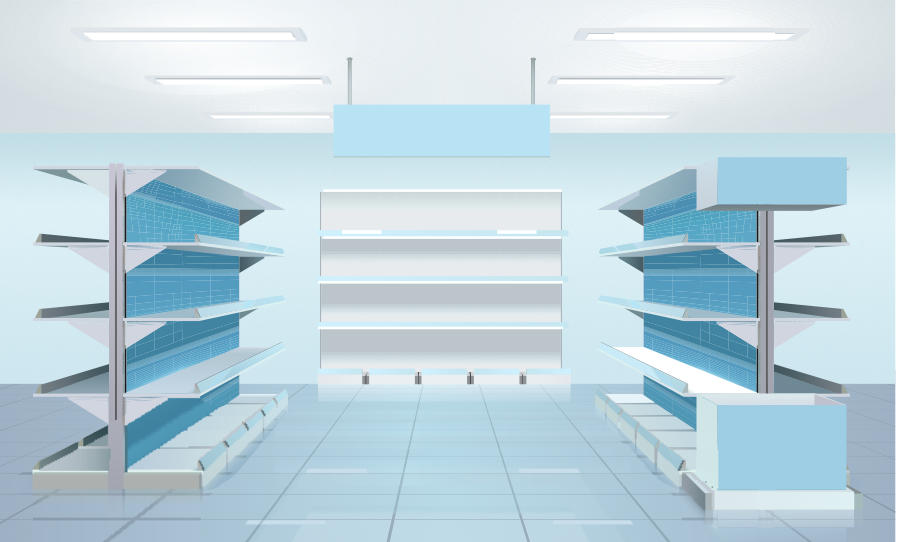
Managing furniture, fixtures, and equipment (FF&E) across a fleet of stores is a complex challenge for physical retail organizations. Surprisingly, some of the largest retail brands in the world are managing those assets in Excel spreadsheets (or other similar format). If that statement resonated with you, the below image probably looks all too familiar.

-
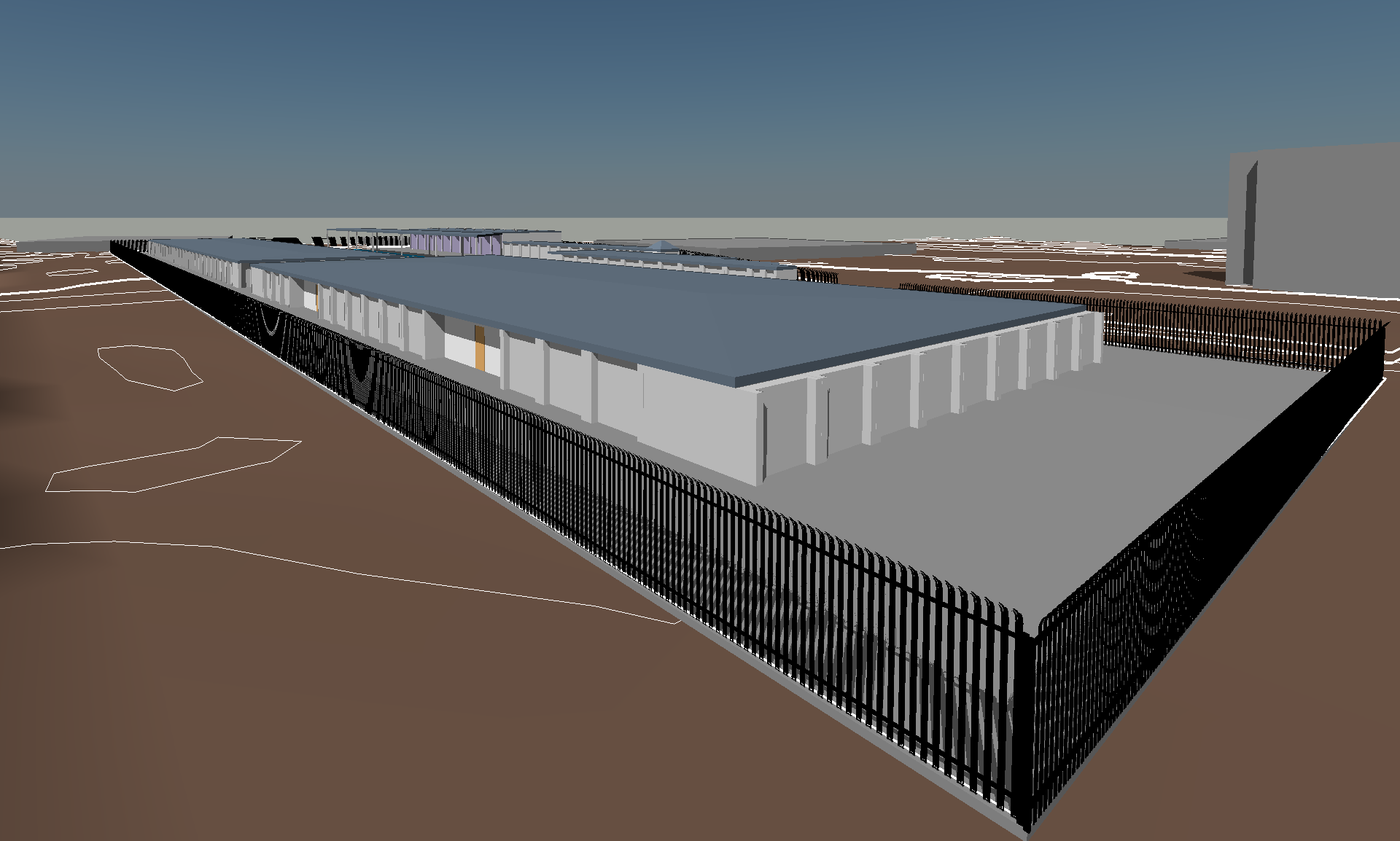
Using Revit to Design a Storage Unit Facility
We recently teamed up with a Texas construction company to design a storage unit facility. While this isn’t a exactly a bragging-worthy Revit project, we believe that we’ve used Revit to add value to the conceptual phase for storage facility owners, operators, and investors. 3D is Greater than 2D First and foremost, the site was…